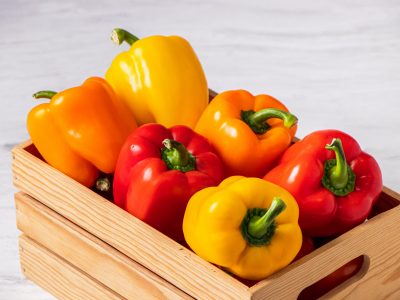
If you’ve noticed bell peppers looking a little more premium lately, or wondered why organic peppers can sometimes be harder to find, you’re not alone! Supply is tightening. Behind the scenes, growers are navigating a set of conditions that are less than favorable leading to the pricing surges you are currently witnessing in the market. Here’s a view of the facts:
Tight Supply Across the Board
- Organic bells have seen year over year volume growth
- Early 2026 – supply has tightened significantly
- Availability gaps are felt across organic and conventional markets
Key Pressures Impacting the Market
- Shifting climate conditions
- Rising input costs
- The biggest disruptor – pest pressures
Thrips: The Small Pest Driving Big Disruption
Thrips (Thysanoptera) have been a known challenge in pepper production. They feed by piercing plant tissue and extracting nutrients. Today’s pressure is driven by an aggressive variant called Thrips parvispinus that is harder to control and can affect yield and quality.
Impact on peppers includes:
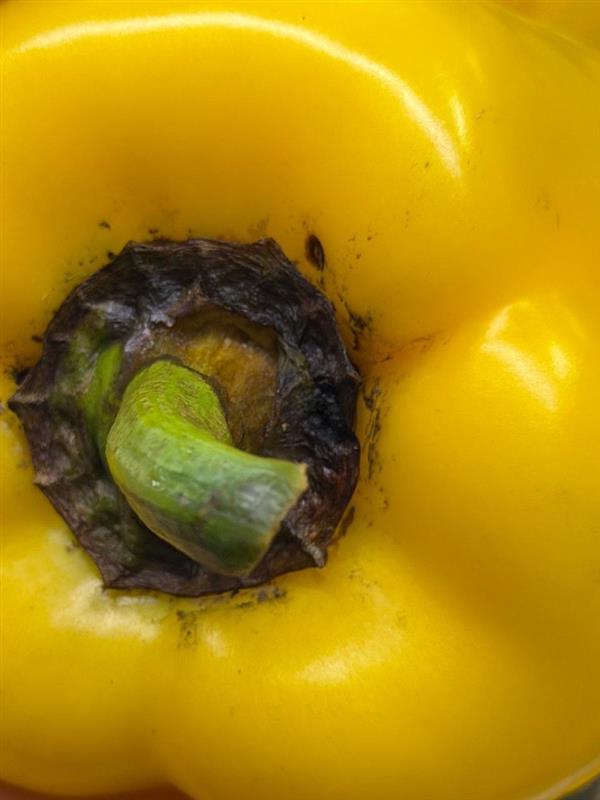
- Scarring and cosmetic damage
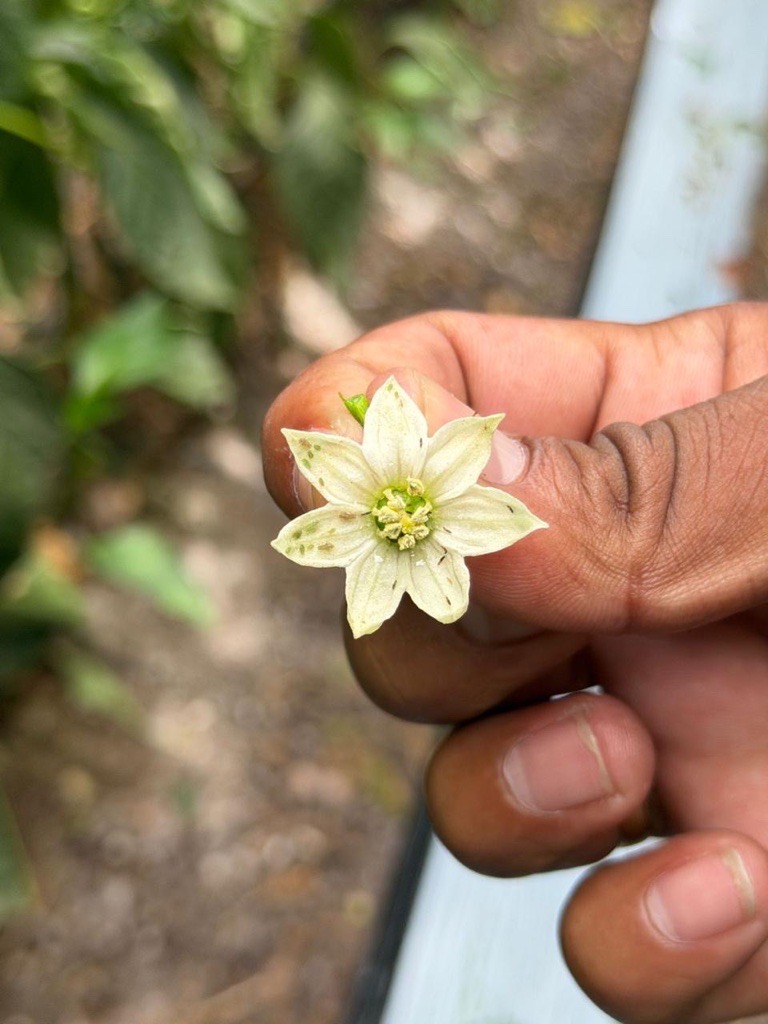
- Reduced flower production
- Lower overall fruit quality
- Transmission of plant viruses
- Lack of marketability!
As population grows and damage escalates rapidly
Why This Matters
- Tight supply plus quality pressures = Elevated market pricing
- Spot markets are more volatile, with price swings tied to weekly supply shifts
- This is not isolated, rather it’s industry wide and we all feel it!